


News
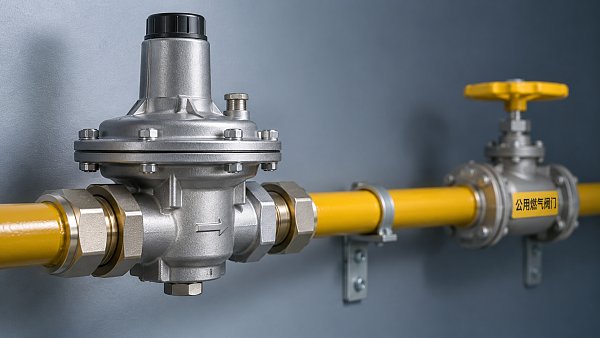
 Suqian Gas Management Regulations to Take Effect Next Year: Rules for Pressure-Reducing Regulators and Public Gas ValvesNov 25, 2026
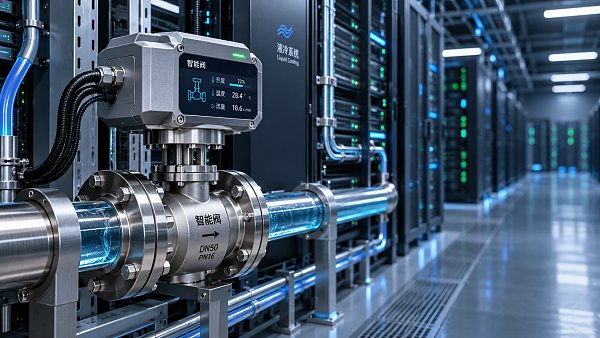
- Siemens Launches Stainless Steel Smart Valve for AI Data Center Liquid CoolingNov 20, 2026
- Oxford Economics and the European Association of Pump Manufacturers Release the 2026 Global Pump Market OutlookNov 19, 2026
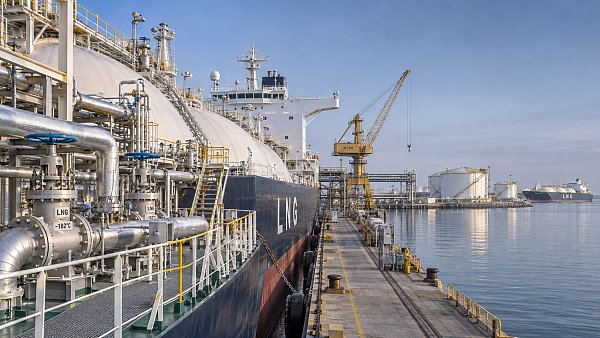
- Hanwha Power Wins Second FSRU Conversion Contract from EnergosNov 17, 2026
- MarketsandMarkets Releases Control Valve Market Report: Focus on AI and Monitoring System IntegrationNov 14, 2026

Kawasaki Heavy Industries Begins Construction of Japan’s Largest Hydrogen Liquefaction Plant, with a Daily Capacity of 50 Tonnes
Kawasaki Heavy Industries has recently begun construction of a hydrogen liquefaction plant at the Kawasaki LH2 Terminal on Ogishima Island in Kawasaki City, Kanagawa Prefecture, Japan. The project will be Japan’s largest hydrogen liquefaction plant, with a designed liquefaction capacity of 50 tonnes per day—more than three times the capacity of the largest existing facility.
The project advances the development of infrastructure for Japan’s large-scale liquid hydrogen supply chain. Its liquefaction capacity of 50 tonnes per day indicates the scale of the project, but the actual supply capacity will depend on subsequent construction, commissioning, and operations. For now, the more immediate industry signal is the growing investment in large-scale facilities across the liquid hydrogen supply chain.
For fluid control equipment manufacturers, including those supplying cryogenic valves and actuators, the project may generate demand for related equipment. The potential impact would mainly come as construction requirements flow through to equipment selection, procurement, and delivery. However, liquefaction capacity alone cannot be directly translated into an increase in equipment orders; specific demand will depend on the project configuration, procurement scope, and supply arrangements.
The project therefore offers a concrete point of reference for gauging demand for equipment used in liquid hydrogen infrastructure. In the short term, construction progress and related equipment procurement information will be worth monitoring. Going forward, commissioning plans and actual operating conditions will show how the additional liquefaction capacity translates into sustained supply. The start of a single project creates potential business opportunities for related equipment suppliers, but is not sufficient to determine the growth rate of the overall market.