


News
 Suqian Gas Management Regulations to Take Effect Next Year: Rules for Pressure-Reducing Regulators and Public Gas ValvesNov 25, 2026
- Siemens Launches Stainless Steel Smart Valve for AI Data Center Liquid CoolingNov 20, 2026
- Oxford Economics and the European Association of Pump Manufacturers Release the 2026 Global Pump Market OutlookNov 19, 2026
- Hanwha Power Wins Second FSRU Conversion Contract from EnergosNov 17, 2026
- MarketsandMarkets Releases Control Valve Market Report: Focus on AI and Monitoring System IntegrationNov 14, 2026
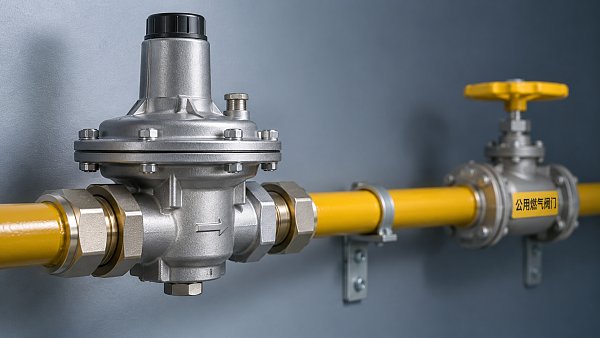





Report: Smart Valves and Infrastructure to Drive the Industrial Valve Market to $115 Billion by 2036
Research and Markets published the report “Global Industrial Valve Market Forecast to 2036” on October 20. The report forecasts that the global industrial valve market will reach USD 115 billion by 2036, driven by the wider adoption of smart valve technologies and the accelerated modernization of global infrastructure. The event date has not been specified further in the input information. For valve manufacturers, buyers, engineering contractors, equipment integrators, and supply chain service providers, the report offers a reference for understanding changes in technology roadmaps, procurement demand, and market execution. However, it is not yet sufficient to treat these developments as changes to implemented policies, certification requirements, or trade rules.
Industry Signals from a Market Forecast
The confirmed information indicates that Research and Markets published the report “Global Industrial Valve Market Forecast to 2036” on October 20. The report analyzes the size, share, growth trends, and technology roadmaps of the global industrial valve market, and identifies the wider adoption of smart valve technologies and the accelerated modernization of global infrastructure as important drivers of market growth. It forecasts that the global industrial valve market will reach USD 115 billion by 2036.
The above information consists of market forecasts and analysis of technology trends disclosed in the report. The input information does not provide specific policy numbers, regulatory texts, certification requirements, trade measures, or country- or region-specific implementation arrangements. Therefore, it does not confirm that new mandatory compliance rules have been implemented.
Potential Gradual Impact from Technology Roadmaps to Procurement Execution
Manufacturers Should Reassess Product Technical Documentation
From an industry perspective, the wider adoption of smart valve technologies may lead valve manufacturers to face higher information requirements in product development, technical specifications, and support for project tenders. Companies can examine how smart functions align with the performance of conventional valves and assess whether product descriptions, test documentation, quality records, and after-sales information can support technical reviews by buyers or engineering projects. The input information does not specify any particular certification or testing standards, so such preparations should currently be treated only as areas for internal company assessment, not as uniform mandatory requirements.
Buyers May Pay Greater Attention to Lifecycle Delivery Capabilities
In observation, if infrastructure modernization continues to drive demand for industrial valves, buyers may place greater emphasis on product selection, technical bid alignment, delivery capabilities, and after-sales service arrangements when comparing suppliers. Buyers may wish to verify supplier qualifications, product technical documentation, quality traceability records, and after-sales response arrangements in advance, and compare them with the requirements of specific projects. The input information does not indicate any specific changes to tender documents or procurement rules, so these assessments still need to be verified against the relevant project documents.
Engineering Contractors and Equipment Integrators Should Monitor Interface Compatibility
For engineering contractors and equipment integrators, the use of smart valves may increase the work involved in system interfaces, equipment coordination, and comparison of technical solutions. In analysis, if project owners place greater emphasis on smart functions in future procurement, companies will need to confirm in advance the compatibility requirements between valve products and the overall equipment solution, and check whether the technical documentation is sufficient to support coordination across design, procurement, and delivery. As the report summary does not disclose specific project standards or interface requirements, companies should not interpret this possibility as an industry rule that has already been uniformly implemented.
Distributors and Supply Chain Service Providers Should Monitor Changes in Product Mix
Distributors and supply chain service providers may be affected by changes in product mix and requirements for technical documentation management and delivery coordination. If market demand gradually shifts toward products related to smart valves, companies can assess their existing supplier directories, product categorization, completeness of technical documentation, and after-sales support capabilities, and verify product information in line with customer project needs. These impacts are industry analysis based on the report; the input information does not confirm that any specific company has already changed its procurement or inventory.
What Companies Can Do to Prepare Now
Assess Market Forecasts Separately from Current Compliance Requirements
Companies should assess the report’s market forecasts and technology trend assessments separately from the regulations, certifications, testing, and procurement requirements that actually apply. The current materials do not provide any new certification names, standard numbers, or regulatory documents, so compliance conclusions should not be changed solely on the basis of market-size forecasts. For specific projects, project documents, contractual requirements, and applicable formal rules should remain the basis for assessment.
Organize Technical Documentation and Quality Traceability Records in Advance
From a delivery and procurement perspective, companies can review the completeness of product specifications, test reports, quality records, installation and maintenance materials, and after-sales documents. For products involving smart valves, they can also assess whether technical parameters, function descriptions, and system compatibility information are easy for buyers, engineering contractors, or equipment integrators to review. This is a practical preparation recommendation and does not mean that the input information confirms any new documentation submission obligations.
Monitor Subsequent Changes in Market Execution and Procurement Documents
Companies should also continue to monitor whether market feedback, procurement plans, tender documents, and supplier evaluation criteria change. If relevant projects begin to specify smart functions, technical interfaces, or service requirements, companies can then assess product upgrades, supplier selection, and delivery schedules based on formal documents. At this stage, the report’s forecasts should not be directly translated into certain order growth or trade outcomes.
This Is Closer to a Market Execution Signal Than an Implemented Rule
In the editor’s view, the key value of this news is that it highlights the potential impact of wider smart valve adoption and infrastructure modernization on the industrial valve market, while providing industry participants with a reference on market size, share, growth trends, and technology roadmaps. For now, it is better understood as a market signal and strategic assessment material, rather than a change to an effective policy, regulation, certification requirement, or trade rule.
Further assessment will depend on companies’ actual procurement needs, engineering project documents, technical standards, certification practices, supply chain arrangements, and industry feedback. Companies can determine the specific effects on product development, compliance reviews, trade delivery, and after-sales services only when clear and verifiable requirements emerge in these areas.
Industry Participants Should Base Their Assessments on Verifiable Information
In summary, the report forecasts that the global industrial valve market will reach USD 115 billion by 2036, reflecting the possibility that smart valve technologies and infrastructure modernization will become areas of industry focus. For companies, it is currently more appropriate to use the report as a reference for technology roadmaps, procurement preparation, and market monitoring, while continuing to verify specific project requirements, formal standards documents, and actual transaction feedback. The report itself cannot replace applicable regulations, certification requirements, or contractual agreements; related business decisions should continue to be based on verifiable information as it becomes available.
Sources and Areas for Further Verification
This article is based on the news title, event date, and event summary provided by the user. The input information does not include a specific official source link, so continued verification will be necessary. For subsequent information related to this type of market and industry change, relevant sources may include official announcements, publications by regulatory authorities, information from customs or trade authorities, industry association updates, standards organization documents, and reporting by authoritative media.
Areas requiring continued monitoring include relevant policy details, certification practices, changes to tender documents, trade implementation, industry feedback, and actual company implementation. Any industry impacts and company preparations described in this article that are not directly confirmed by the input information are presented as analysis, observations, or possibilities.