


News
 Suqian Gas Management Regulations to Take Effect Next Year: Rules for Pressure-Reducing Regulators and Public Gas ValvesNov 25, 2026
- Siemens Launches Stainless Steel Smart Valve for AI Data Center Liquid CoolingNov 20, 2026
- Oxford Economics and the European Association of Pump Manufacturers Release the 2026 Global Pump Market OutlookNov 19, 2026
- Hanwha Power Wins Second FSRU Conversion Contract from EnergosNov 17, 2026
- MarketsandMarkets Releases Control Valve Market Report: Focus on AI and Monitoring System IntegrationNov 14, 2026

Hanwha Power Wins Second FSRU Conversion Contract from Energos
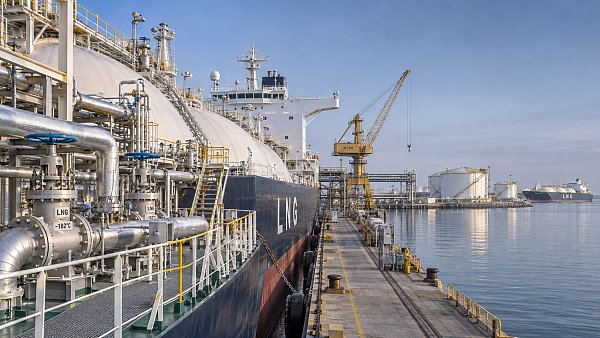
On November 9, 2026, South Korea’s Hanwha Power and Energos Infrastructure signed a turnkey contract to convert an existing liquefied natural gas (LNG) carrier into a floating storage and regasification unit (FSRU). The contract also includes an option to convert another vessel.
The deal links the conversion of an existing LNG carrier with demand for import infrastructure. For the equipment supply chain, areas of interest may extend beyond the vessel conversion itself to include how cryogenic valves and fluid control equipment can meet the requirements of the converted system.
One vessel under contract, with an option to convert another
The contract explicitly covers one existing LNG carrier, with the goal of converting it into an FSRU. A turnkey contract means the conversion is intended to be delivered as a complete project, but the specific engineering scope, equipment configuration and delivery arrangements remain to be seen as further information is disclosed.
The option to convert another vessel leaves room for further cooperation. An option is distinct from the conversion work already under contract: whether and when the second vessel will be converted remains subject to a future decision. Therefore, it would be premature to count the option as a second confirmed conversion project at this stage.
From a project-selection perspective, converting an existing carrier offers one way to establish LNG import facilities. The demand context reflected in this development is continued market interest in lower-cost LNG import infrastructure, alongside growing attention to the trend of converting older LNG carriers into FSRUs. However, a single contract demonstrates a specific project choice and does not indicate that all similar projects will follow the same approach.
How conversion requirements translate into equipment demand
FSRUs involve the storage and regasification of liquefied natural gas, so their fluid systems need to accommodate cryogenic media and different stages of operation. When a carrier is converted into an FSRU, differences between its existing configuration and its new purpose may create a need to modify systems and select equipment. Cryogenic valves and fluid control equipment are therefore worth watching as supporting components.
The impact depends first on the specific engineering plan. Existing vessel conditions, proposed system configurations and project requirements may vary, so equipment demand will not necessarily rise in direct proportion to the number of vessels converted. For the supply chain, the actual products required—and which equipment can be retained or needs to be replaced—will become clearer as the project moves into equipment selection and procurement.
The turnkey delivery approach also ties equipment supply more closely to the overall engineering plan. Valves and fluid control equipment must not only meet their respective operating requirements, but also align with the design, installation and commissioning schedules of the relevant systems. It is not yet appropriate to draw further conclusions about which parties will be responsible for procurement or when equipment will enter the project.
Over a longer time horizon, if projects converting LNG carriers into FSRUs continue to emerge, cryogenic fluid control equipment may see more conversion-related demand opportunities. However, the impact of any single project on supplier orders still depends on the scope of equipment procurement and the actual selection outcomes. This contract points to a potential path for demand; it does not mean that orders for related equipment have been confirmed.
Following project progress and the option decision
Next, it will be worth monitoring the engineering progress, conversion plan and equipment procurement arrangements for the contracted vessel. This information will help clarify how project requirements translate from vessel conversion into demand for specific equipment, and how the condition of the existing vessel affects the conversion scope.
Another point to watch is what happens to the option included in the contract. If exercised, the option would expand the project scope; if the cooperation remains at the option stage, the potential workload should not be treated as confirmed demand. Project information disclosed by the companies involved will be an important basis for tracking this development.
For the industry, the contract signals that converting existing LNG carriers into FSRUs remains one of the available options for relevant projects. The extent to which this approach translates into sustained demand for cryogenic valves and fluid control equipment will depend on the number of future projects, their specific conversion plans and procurement arrangements.