


News
 Suqian Gas Management Regulations to Take Effect Next Year: Rules for Pressure-Reducing Regulators and Public Gas ValvesNov 25, 2026
- Siemens Launches Stainless Steel Smart Valve for AI Data Center Liquid CoolingNov 20, 2026
- Oxford Economics and the European Association of Pump Manufacturers Release the 2026 Global Pump Market OutlookNov 19, 2026
- Hanwha Power Wins Second FSRU Conversion Contract from EnergosNov 17, 2026
- MarketsandMarkets Releases Control Valve Market Report: Focus on AI and Monitoring System IntegrationNov 14, 2026


Sanhua Intelligent Controls’ Liquid Cooling Revenue Exceeds RMB 1.8 Billion in the First Three Quarters, with Pump and Valve Technology Entering Computing Centers
In the first three quarters of 2026, Sanhua Intelligent Controls generated RMB 1.8 billion to RMB 2.1 billion in revenue from its liquid cooling business, with orders scheduled through the following year. The company has extended its pump, valve, and heat exchanger technologies into liquid cooling for computing centers, a development worth noting for equipment suppliers, system integrators, and procurement teams. The information provided does not mention any specific policy or standards changes, so this development is better viewed as a market signal for monitoring liquid cooling procurement, technical validation, and delivery requirements.
Liquid Cooling Revenue and Order Status
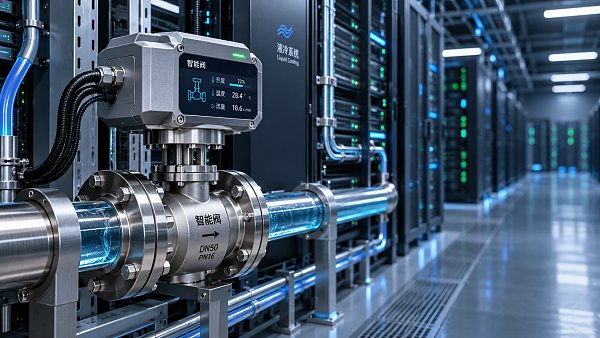
According to the information provided, the growing power demands of AI large language models have driven up server rack power consumption. Sanhua Intelligent Controls has applied its three decades of expertise in pumps, valves, and heat exchangers to liquid cooling for computing centers. In the first three quarters of 2026, its liquid cooling business generated RMB 1.8 billion to RMB 2.1 billion in revenue, with orders scheduled through 2027.
Business Considerations as Pump and Valve Technologies Enter Computing Centers
Component Suppliers Face a New Application Scenario
From an industry perspective, traditional pump, valve, and heat exchanger companies entering the computing center liquid cooling market may need to re-evaluate their products against the performance requirements of the target application and check compatibility with other equipment. Suppliers should pay attention to the technical specifications, validation documentation, and acceptance criteria requested by buyers before quoting and delivery. The information provided does not confirm that these requirements have changed uniformly.
Coordinating Supply in Integration and Procurement
The order backlog for liquid cooling products may prompt equipment integrators and buyers to assess the lead times of critical components earlier and specify product requirements, delivery schedules, and acceptance arrangements in procurement documents. The order status of a single company does not mean that all suppliers face the same lead times; actual schedules should be verified individually.
Technical Coordination for Delivery and After-Sales Service
When pumps, valves, and heat exchangers are used in computing centers, suppliers and buyers may need to coordinate more closely on installation interfaces, operating conditions, and quality traceability documentation. The allocation of related responsibilities should be determined by the project documents and contractual terms; the available information does not establish that any new, uniform requirements have been introduced.
Key Checks from Technical Documentation to Delivery Planning
Verify Project Technical Requirements
Suppliers and buyers should review equipment operating conditions, interfaces, and acceptance criteria for each project, assess whether existing products are suitable, and retain the necessary technical and validation documentation. The information provided does not specify testing methods or certification requirements; these conditions should be confirmed against the project documents.
Confirm Order Schedules and Alternatives
Companies planning to procure liquid cooling components can confirm actual capacity, lead times, and order schedules with suppliers, and assess the compatibility of alternative products. Sanhua Intelligent Controls' order schedule offers a point of reference for monitoring supply arrangements, but should not be used as a basis for estimating delivery times from other companies.
Monitor Procurement and Acceptance Documents
Companies should monitor subsequent tender documents, contracts, and acceptance documents for more specific performance, documentation, or service requirements for liquid cooling components. If certification or compliance requirements apply, their scope and interpretation should also be verified. The information currently available does not indicate that any new regulations or certification requirements have taken effect.
Distinguish Market Signals from Regulatory Changes
This news reflects the expansion of traditional pump and valve technologies into liquid cooling for computing centers, along with related business revenue and order activity. It does not establish that any policy, regulation, or standard has changed. Companies can monitor technical requirements in procurement documents, industry feedback, and actual delivery performance to determine whether project requirements have undergone verifiable changes.
Assess Liquid Cooling Opportunities Against Project Requirements
Sanhua Intelligent Controls' business progress provides an example of a traditional pump and valve company entering the data center thermal management market. At this stage, it is more appropriate to view this as a signal of market demand and expanding technology applications. Companies can assess the opportunity in light of their own product capabilities, project documents, and supplier delivery performance, rather than treating it as an industry rule that has already taken effect.
Sources and Further Verification
This article is based on the news headline, event date, and event summary provided by the user. No specific official source link was included. The reported revenue, orders, and subsequent developments should continue to be verified. Companies can consult corporate announcements, standards organization documents, tender documents, and industry feedback to monitor any changes in technical requirements, certification interpretations, and actual delivery performance.