


News
 China raises the export tax rebate rate for vortex pumps to 14%, affecting overseas procurement costs from October 2026Aug 17, 2026
- New EU Regulations Take Effect: EPD Declaration Required Before Customs Clearance for Imported Industrial ValvesAug 16, 2026
- Qingdao Fluid Machinery Exhibition Day One Focuses on the CE/UKCA-Compliant Valve Supply ChainAug 15, 2026
- The Strong Growth of Construction Machinery Exports Drives Rising Demand for Pump and Valve Supporting CertificationsAug 14, 2026
- The EU will implement dual-standard CE requirements for industrial valves starting in OctoberAug 13, 2026

EU PED Revision Draft Targets Digital Certification for Industrial Valves
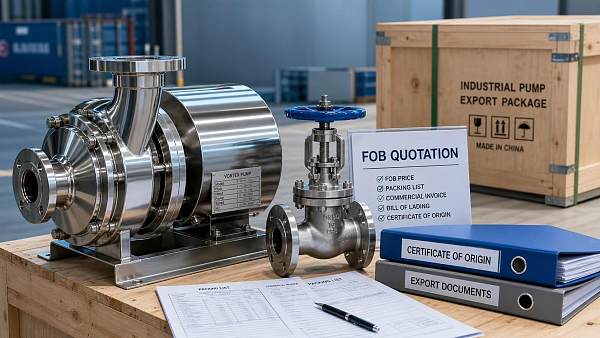
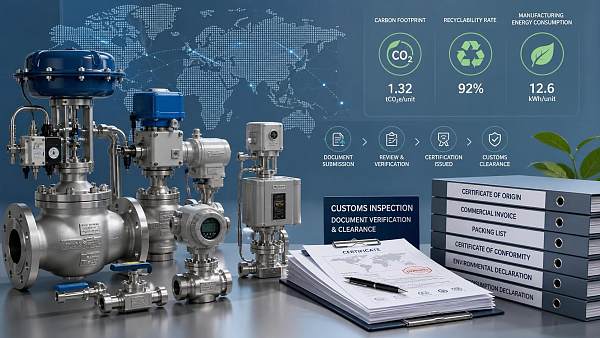
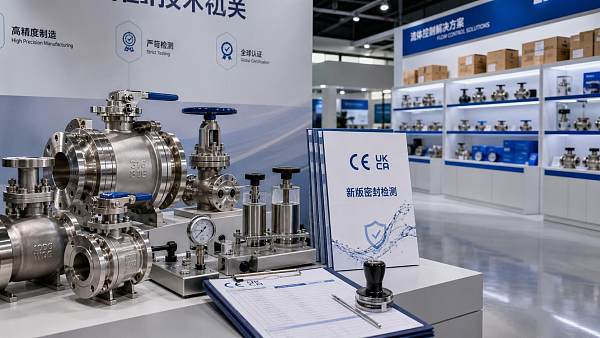
December 1, 2026, will become a clear milestone in the EU's compliance requirements for industrial valves. According to the draft amendment to the Pressure Equipment Directive (PED 2014/68/EU) issued by the European Commission on July 20, 2026, industrial valves entering the EU market, including control valves and actuator-integrated valves, will be required to complete digital type approval through an EU-recognized body and submit electronic technical files and cybersecurity declarations that comply with EN ISO/IEC 17065:2024. For valve exporters, EU distributors, and supply chain participants involved in customs clearance and delivery, this change deserves continued attention, as it directly relates to the CE compliance pathway, documentation preparation methods, and delivery schedules.
Clear Signals Released by the Draft Amendment
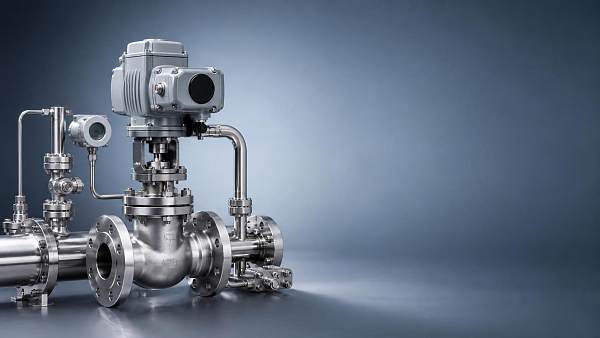
The confirmed information includes the following: The European Commission issued a draft amendment to the Pressure Equipment Directive (PED 2014/68/EU) on July 20, 2026, adding Article 3.2. According to the draft, from December 1, 2026, all industrial valves entering the EU market will be required to pass digital type approval through an EU-recognized body. The scope explicitly includes industrial valve products such as control valves and actuator-integrated valves.
The draft also proposes that the relevant products submit electronic technical files and cybersecurity declarations that comply with the requirements of EN ISO/IEC 17065:2024. The input information also clearly indicates that this change will directly affect the delivery schedule arrangements, CE compliance pathway selection, and customs-clearance preparations of exporters such as IKATE VALVE in their business with Europe.
The Impact Is Spreading Across Multiple Business Roles
Exporters to the EU Will First Face Documentation and Schedule Adjustments
Based on the analysis, industrial valve exporters supplying the EU market directly will be the first to feel the change. This is because the new requirements involve not only certification itself, but also the preparation methods for electronic technical files and cybersecurity declarations. The most directly affected areas typically include the organization of submission documents, certification scheduling, order delivery, and customer communication. What currently deserves greater attention is whether the company's existing CE compliance pathway needs to be adjusted accordingly, and whether existing shipping plans will need to be rescheduled due to changes in the certification process.
Distribution and Customs Clearance Will Place Greater Emphasis on Complete Documentation
From an industry perspective, distributors in the EU market and relevant parties responsible for customs-clearance preparations will also be directly affected. The input information specifically mentions distributors' customs-clearance preparations. This means that, in subsequent business activities, whether documentation is complete, whether technical files meet electronic requirements, and whether cybersecurity declarations can be accessed and used smoothly may all become key practical considerations. For channel distribution companies, the impact will not be limited to the sales side, but will also extend to pre-import document verification and internal compliance coordination.
Higher Coordination Requirements for Certification and Supporting Service Providers
It can be observed that service providers supporting EU-recognized bodies, compliance consulting, and technical document preparation will also face greater coordination pressure due to the digital type approval requirements. Although the input information does not provide more detailed implementation rules, it is reasonable to determine that points of business friction will focus on document formats, submission schedules, and the consistency of declaration documents. For service providers, the key is not to provide expanded explanations, but to help companies shorten preparation and coordination time within the existing rules.
End Users Will Pay Greater Attention to Delivery Certainty
For purchasers and end-user companies, the impact of this change will mainly be reflected in supply predictability. Based on the analysis, once certification and electronic file requirements become preconditions for entering the EU market, purchasing departments will pay greater attention to whether suppliers have made the necessary preparations and whether orders can be delivered according to the originally scheduled timeline. This sensitivity will be particularly evident in project-based procurement involving control valves and actuator-integrated valves, where the alignment between compliance preparation and delivery milestones will become more critical.
What Practical Issues Should Companies Focus on Now?
First Distinguish Between the “Draft Issuance” and “Mandatory Implementation” Dates
Companies should first distinguish between the draft issuance date of July 20, 2026, and the mandatory implementation date of December 1, 2026. It can be observed that this distinction directly affects internal scheduling and the way responses are communicated to customers. The policy signal is already clear, but actual business implementation still requires preparations to be organized around the formal implementation date, avoiding the treatment of observational judgments as finalized implementation rules.
Determine Whether Key Product Categories Fall Within the Scope of the New Requirements
For industrial valve companies, control valves and actuator-integrated valves have been explicitly identified in the input information. What currently deserves greater attention is which product categories in the company's product lines require priority preparation of digital type approval documentation for sales to Europe, and which orders require advance verification of electronic technical files and cybersecurity declarations. The focus here is not on generalized discussion, but on matching product classifications, customer projects, and compliance documents item by item.
Bring Electronic Technical Files and Cybersecurity Declarations into the Delivery Process in Advance
Based on the analysis, the change brought about by this draft amendment is not merely the addition of one document requirement; it also moves documentation preparation forward into delivery management. Practical issues requiring attention include whether the relevant documents can meet the requirements of EN ISO/IEC 17065:2024, whether the company has a mechanism for continuously updating electronic files, and whether the transfer of documents to customers and distributors is smooth. For export business, these preparations will directly affect the coordination of customs declaration, release, and delivery.
Customer and Channel Communication Should Focus on the Compliance Pathway
The input information clearly states that the CE compliance pathway will be affected. Therefore, at the current stage, companies need to focus on whether their communication with EU customers and distributors already covers changes in certification methods, documentation submission requirements, and delivery-cycle expectations. It can be observed that the earlier the changes to the compliance pathway are clarified, the more conducive this will be to reducing fulfillment uncertainty caused by document mismatches later.
This Is More Like a Long-Term Signal of Tighter Rules
As an observation and analysis, this information should not be understood merely as an isolated document update. It is more appropriate to understand it as the EU further advancing the market-access requirements for industrial valves from traditional compliance documents toward digital files and cybersecurity declarations. It has established clear timing requirements, but the industry still needs to continue monitoring the implementation details, operating standards, and specific coordination methods.
From an industry perspective, this is not simply a short-term disruption caused by a news item. The reason is that it concerns the pre-market compliance conditions for entering the EU market, and its impact has already extended to multiple links, including manufacturing, export, distribution, and customs clearance. However, based on the available input information, some impact assessments should still be placed within a framework of continued observation rather than being treated as definitive conclusions in advance.
Practical Significance for the Valve Industry Chain
Returning to the business level, this draft amendment has released a relatively clear direction for the industrial valve trade with Europe: future compliance preparation will involve not only whether the product itself meets the requirements, but also whether digital type approval, electronic technical files, and cybersecurity declarations can be completed simultaneously. For exporters, channel distributors, and purchasers, it is currently more appropriate to understand this as a regulatory change with a clearly established implementation date, while the detailed implementation requirements still need to be further verified.
From a rational perspective, the value of this information does not lie in amplifying its impact, but in reminding all parties in the industry chain to place compliance documents, certification schedules, and delivery arrangements on the same business plan as early as possible. In the short term, it will primarily affect preparation work; in the medium term, the industry's focus will remain on whether the actual operating requirements after formal implementation will be further detailed.
Basis of This Article and Directions for Further Verification
This article was generated based on the information title, event date, and event summary provided by the user. Its core basis includes the draft amendment to PED 2014/68/EU issued by the European Commission on July 20, 2026, the addition of Article 3.2, and information stating that industrial valves will be required to undergo digital type approval and submit electronic technical files and cybersecurity declarations from December 1, 2026.
For this type of information, continued verification is usually required in conjunction with official announcements, corporate announcements, industry association information, authoritative media reports, and documents issued by standards organizations. Since no specific official source link was provided in the input, this article cannot further identify the link to the original document. Continued monitoring is still required with regard to the formal text of the draft amendment, implementation standards, and actual requirements related to customs clearance and CE compliance.