


News
 China raises the export tax rebate rate for vortex pumps to 14%, affecting overseas procurement costs from October 2026Aug 17, 2026
- New EU Regulations Take Effect: EPD Declaration Required Before Customs Clearance for Imported Industrial ValvesAug 16, 2026
- The Strong Growth of Construction Machinery Exports Drives Rising Demand for Pump and Valve Supporting CertificationsAug 14, 2026
- The EU will implement dual-standard CE requirements for industrial valves starting in OctoberAug 13, 2026
- New Chinese Pump and Valve Export Regulations: EN 15714-2:2026 Compliance Declaration Required from SeptemberAug 12, 2026

The EU will implement dual-standard CE requirements for industrial valves starting in October
The Official Journal of the European Union published the revised Directive (EU) 2026/1387 on August 12, 2026, meaning that the compliance threshold for industrial valve-related products entering the EU market will be raised further. According to the information disclosed, from October 1, 2026, industrial control valves, electric/pneumatic actuators, and complete fluid control systems will all be subject to the dual-standard requirements of EN 15714-2:2026 and EN ISO 5211:2026. The certification status and delivery arrangements will need to be rechecked for direct exports, channel circulation, and end-user procurement.
How will the new harmonized standards be implemented
The confirmed information is that Revised Directive (EU) 2026/1387 has included EN 15714-2:2026 and EN ISO 5211:2026 in the mandatory CE harmonized standards list, covering industrial control valves, electric/pneumatic actuators, and complete fluid control systems entering the EU market. The requirement will become mandatory from October 1, 2026, leaving only 55 days in the transition period. Products that have not obtained certification to both standards may face customs clearance rejection or delisting.
What will the various links in the industrial chain experience first
Compliance pressure will first emerge in direct exports and trade
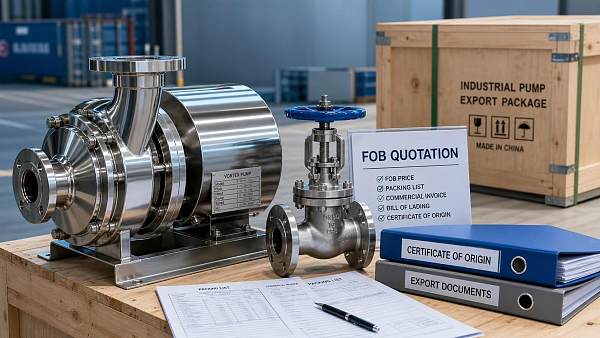
For exporters and traders serving the EU market, the impact will first be reflected in customs declarations, document preparation, and shipping schedules. Whether certification covers both standards will directly affect whether goods can enter the market smoothly. Any orders in transit, stocking plans, and delivery commitments may therefore need to be rechecked.
The matching relationship between actuators and valves will be subject to stricter verification
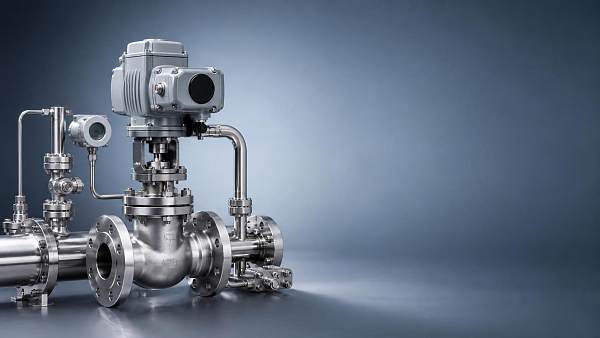
EN ISO 5211:2026 covers actuator interfaces and torque testing, meaning that the matching relationship between the valve body and actuator will be more explicitly included in compliance reviews. For companies engaged in complete-package supply, system integration, or customized assembly, compliance of a single component does not mean that the complete system meets the requirements. Supporting verification and the completeness of technical documentation will become more critical.
Channels and end-user procurement will place greater emphasis on traceable evidence
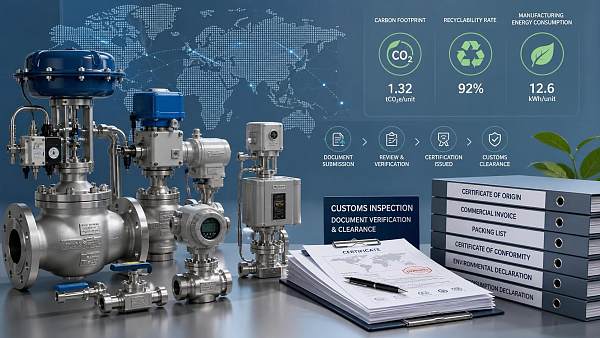
When selecting products, distributors, system integrators, and end-user purchasers will focus not only on product specifications, but also on the current certification status, whether the applicable standard versions cover the 2026 requirements, and whether the supplier can provide the corresponding documentation in a timely manner. Analysis indicates that such changes typically shift purchasing decisions from “conformance with specifications” further toward “verifiable compliance documentation.”
Which areas should companies focus on now
First verify the product scope, then review the certification status
Companies first need to confirm whether their products fall under industrial control valves, electric/pneumatic actuators, or complete fluid control systems, and then check item by item whether their existing CE compliance documents cover EN 15714-2:2026 and EN ISO 5211:2026. For companies supplying multiple types of customers, the applicable boundaries between product lines should also be assessed separately to avoid continuing to ship products under the old versions of the standards.
Documentation, testing, and customer communication need to advance simultaneously
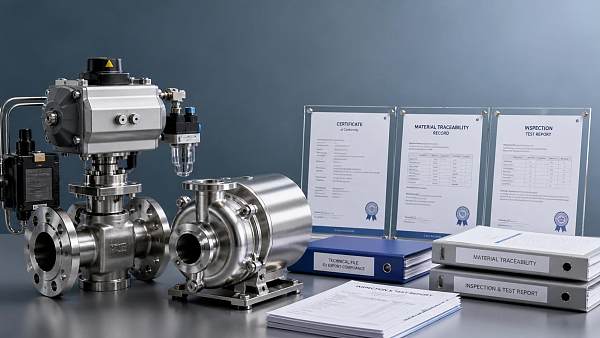
From a practical perspective, in addition to certification status, technical documents, test records, declarations, and version management also need to be organized simultaneously. What deserves greater attention at present is that customers generally have very low tolerance for delivery risks. If a supplier cannot clearly explain the certification progress, scope of application, and transition timeline, orders are more likely to be delayed or replaced.
Orders in transit and stocking plans need to be reviewed separately
Because the mandatory effective date is clear and the transition period is short, orders that have been signed but not yet shipped require particular reassessment. Companies should handle separately the questions of “whether compliance preparations can be completed before October 1” and “whether shipments should continue according to the original plan,” thereby avoiding placing the policy transition risk directly on logistics and customs clearance.
This is more like a clear tightening of compliance requirements
Based on observation, this information is not an ordinary market fluctuation, but rather a further tightening by the EU of compliance requirements for industrial valves and related actuator products. It has already formed a clear regulatory signal, but its actual impact at the industry level will also depend on whether companies can complete the transition of certification, documentation, and delivery processes during the transition period. It is more appropriate to understand this as a compliance adjustment already in its countdown phase, rather than as a trend discussion that still awaits verification.
Short term, implementation matters; long term, the standardization threshold matters
Overall, the direct implications of this new regulation for companies related to the EU market are clear: the compliance standard version has been updated, and the effective date is definite. In the short term, the most practical issues concern orders, inventory, and customs clearance arrangements. In the long term, it also indicates that the standardization threshold for industrial valves and actuator products entering the EU market is rising. It should not simply be understood as an isolated policy change, but rather as an industry development that requires immediate verification and continuous follow-up.
What information is this article based on
This article was compiled based on the information provided by the user, including the information title, event date, and event summary. It does not introduce any unverified enterprise cases, market data, or external conclusions. Source types typically related to such information include official EU announcements, documents from standards organizations, industry association information, corporate announcements, and reports from authoritative media. As no specific official source links were provided in the input, no links are listed in this article. The latest wording of the revised directive and standards list still requires continuous verification.