


News
 China raises the export tax rebate rate for vortex pumps to 14%, affecting overseas procurement costs from October 2026Aug 17, 2026
- New EU Regulations Take Effect: EPD Declaration Required Before Customs Clearance for Imported Industrial ValvesAug 16, 2026
- Qingdao Fluid Machinery Exhibition Day One Focuses on the CE/UKCA-Compliant Valve Supply ChainAug 15, 2026
- The Strong Growth of Construction Machinery Exports Drives Rising Demand for Pump and Valve Supporting CertificationsAug 14, 2026
- The EU will implement dual-standard CE requirements for industrial valves starting in OctoberAug 13, 2026


Qingdao Fluid Machinery Exhibition Day One Focuses on the CE/UKCA-Compliant Valve Supply Chain
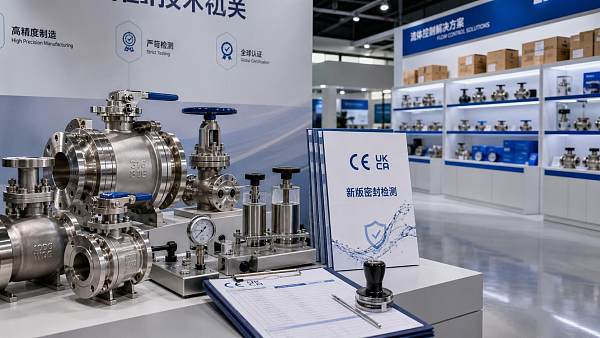
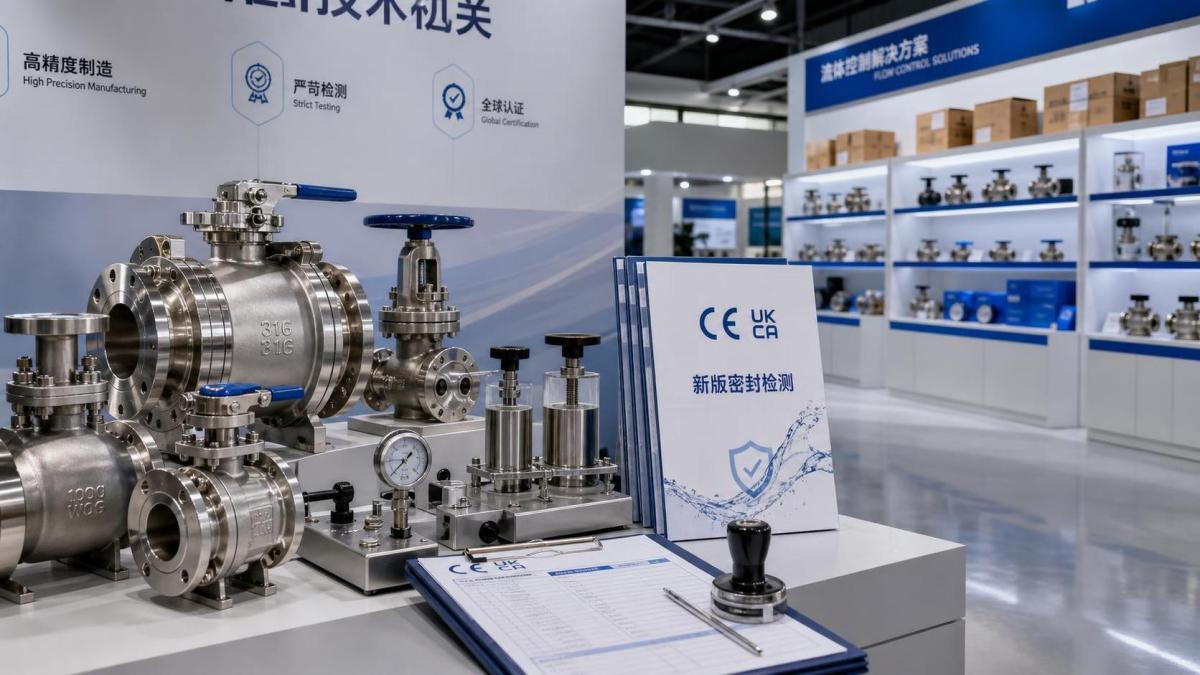
On August 15, 2026, the 2026 China (Qingdao) International Fluid Machinery and Industrial Valve Exhibition opened at the Qingdao International Convention and Exhibition Center. On the first day of the exhibition, certification bodies and major distributors from 23 EU countries, including Germany, the Netherlands, and Poland, visited valve suppliers with dual CE+UKCA certification and compliance with the new EN 1515-4:2025 sealing test requirements. At the same time, several Chinese companies released low-carbon manufacturing statements and LCA report templates for the EU CBAM. For valve exports, certification services, manufacturing delivery, and procurement selection, this development should be viewed more as an indication that compliance thresholds and supply-chain screening criteria are moving forward in the procurement process.
Compliance Screening Signals Conveyed by the Exhibition
According to the available information, the exhibition opened in Qingdao on August 15, 2026, and on its first day attracted groups of certification bodies and major distributors from 23 EU countries. Attention focused on three areas: first, dual CE+UKCA certification; second, the new EN 1515-4:2025 sealing test requirements; and third, low-carbon manufacturing statements and LCA report templates compatible with the EU CBAM. The available information does not indicate that these requirements have already become uniformly mandatory for all transactions, but it clearly shows that procurement and certification parties are incorporating compliance documents, test results, and low-carbon evidence into supplier screening.
Who Will Feel the Changes First
Valve Exporters Will Face Longer Documentation Chains
For valve export companies serving the EU market, the initial impact will be reflected in the integration of certification, testing, and delivery documents. Based on the analysis, dual CE+UKCA certification, sealing test reports, and CBAM-related low-carbon manufacturing statements and LCA templates may no longer be supplementary materials only, but may directly enter the customer review process. If a company's product specifications, test methods, or document versions do not match the buyer's requirements, both order negotiations and delivery confirmation may take longer.
Distributors and Purchasers Will Place Greater Emphasis on Verifiability
The concentrated visits by major distributors and purchasers indicate that they are paying greater attention to supply-chain information that can be verified, compared, and archived. The focus of procurement decisions is not only whether the products can be supplied, but also whether certifications are authentic, whether testing corresponds to the latest version of the applicable standard, and whether low-carbon statements match the actual manufacturing chain. This will shift supplier management from simple price comparisons toward a combined review of “product + certification + carbon data.”
Certification and Testing Services Will Move Further Forward in the Process
Certification bodies and testing service providers may take on a more proactive role in the supply chain. The market signal conveyed by this information is that companies will need to clarify the certification pathway, testing arrangements, and document versions during the exhibition, selection, and prequalification stages, rather than completing the documents only after a transaction is concluded. For service providers, the interpretation of updated standards, coordination of testing methods, and consistency of reports will all directly affect the progress of subsequent projects.
Which Areas Should Companies Review Now?
Verify the Certification Scope First, Then Confirm Version Applicability
For relevant companies, the first question to confirm is not whether they have certification, but whether the certification covers the applicable product range and target market, and whether the certificate matches the relevant standard version. In particular, the relationship between CE, UKCA, and EN 1515-4:2025 needs to be checked item by item in conjunction with the specific product model and buyer requirements. If document versions are outdated, suppliers may easily be eliminated during the initial procurement review.
Turn LCA and Low-Carbon Statements into Reusable Templates
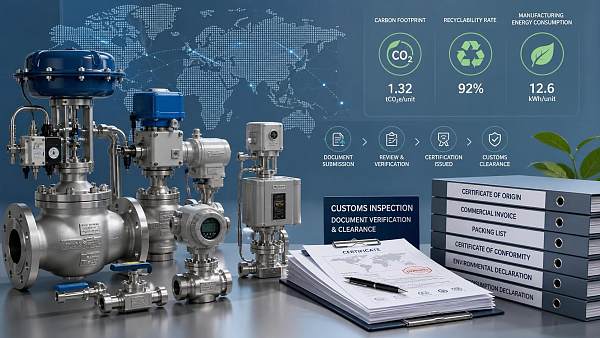
The proactive release of LCA report templates by companies at this exhibition indicates that carbon data has begun to enter market communications. Based on the analysis, companies should at least prepare reusable data definitions, boundary descriptions, and lists of supporting documents in advance, to avoid repeatedly recreating them for different customers and projects. For export-oriented manufacturers, consistency between these documents and production records, raw material sources, and process parameters is particularly important.
Reorganize the Timing of Testing, Procurement, and Delivery
If purchasers move sealing tests and certification reviews earlier in the process, companies can no longer design their internal schedules solely around production planning. A more practical approach is to incorporate testing windows, document reviews, sample confirmation, and shipment milestones into project management as a whole. This can reduce delivery delays caused by document corrections, inconsistent interpretations of standards, or repeated testing.
This Looks More Like an Implementation Signal Than an Isolated Exhibition
From an industry perspective, this information is better understood as a signal of rules being implemented rather than simply exhibition news. The reason is that purchasers clearly focused on CE/UKCA compliance, the latest sealing test requirements, and CBAM-related low-carbon manufacturing evidence, indicating that the market is treating certification, standards, and carbon information as parallel basic conditions for supplier screening. It is not yet possible to conclude solely from this exhibition that all buyers will adopt the same criteria simultaneously, but it can at least be confirmed that regulatory requirements have begun to influence actual procurement practices.
What deserves continued observation is not the level of activity at the exhibition itself, but whether subsequent buyer documents, certification body interpretations, test report formats, and trade execution requirements will become more stringent. If these areas continue to converge, companies will face not only product competition, but also comprehensive competition in compliance capabilities, document management, and cross-market delivery capabilities.
Companies Can Begin by Adopting a Compliance-Supply-Chain Approach
Overall, this information reflects that relevant EU compliance requirements are entering the valve procurement chain more directly. For companies, the more appropriate approach at present is to respond to it as an emerging market implementation signal rather than wait until the rules are fully established before making adjustments. For valve exports, certification services, testing services, and distribution and procurement, the most practical tasks going forward remain verifying standard versions, organizing documentation, calibrating carbon data, and continuously tracking buyers' actual implementation criteria.
Sources of the Information in This Article
This article was generated based on the information title, event date, and event summary provided by the user, without using any specific official source links that were not provided. Source types commonly associated with such events include official announcements, releases by regulatory authorities, information from customs or trade authorities, industry association information, documents from standards organizations, and reports from authoritative media. As no verifiable specific links were provided in the input, it remains necessary to continue monitoring policy details, certification implementation criteria, changes in tender documents, trade execution, industry feedback, and company implementation.