


News

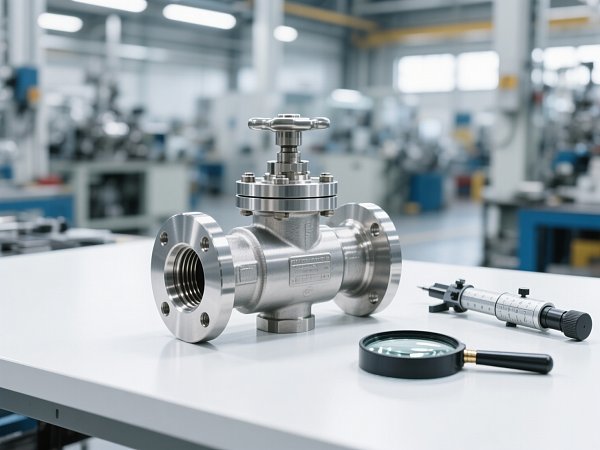
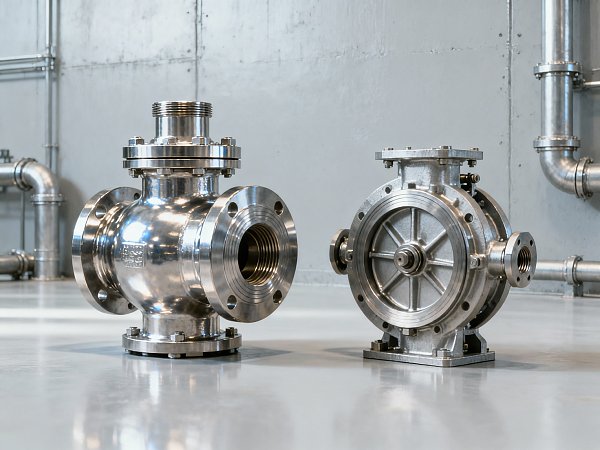
Main Differences Between Ball Valves and Butterfly Valves
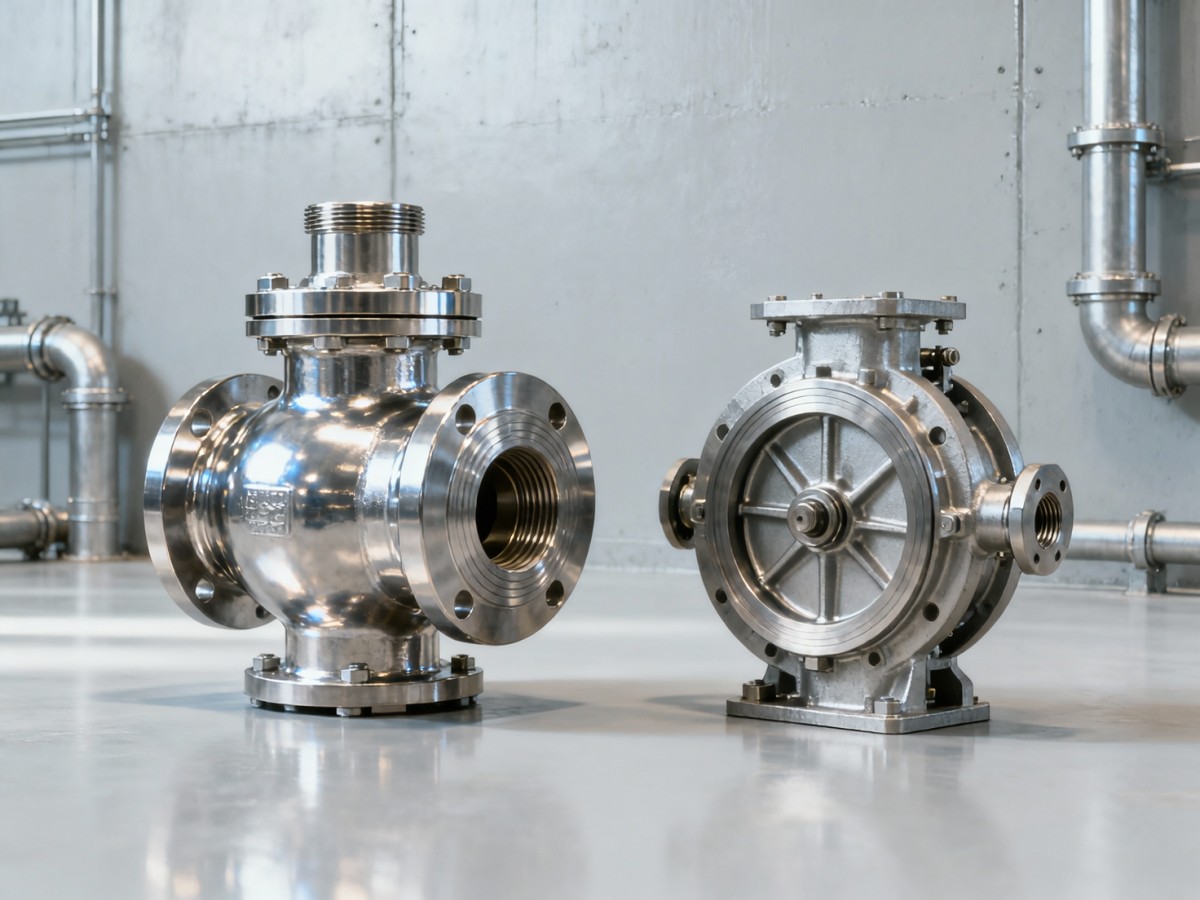
The main differences between ball valves and butterfly valves are as follows:
Structural differences:
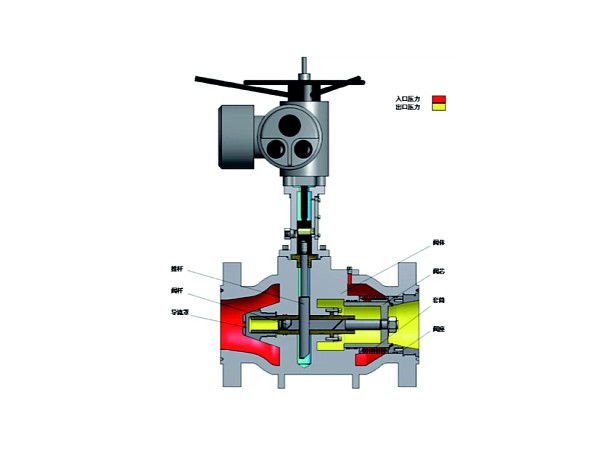
Ball valves and butterfly valves differ in structure. A ball valve is composed of components such as the valve body, valve trim (ball), and valve stem. Its valve trim is enclosed inside the valve body, with only part of it visible. A butterfly valve, by contrast, consists of the valve body, valve seat, disc, and valve stem, with all components exposed externally for easy observation. This structural difference leads to differences in sealing performance between the two, and the sealing performance of ball valves is usually better than that of butterfly valves.
Comparison of sealing performance:
The sealing performance of ball valves is usually better than that of butterfly valves. Ball valves can be opened and closed quickly and achieve complete sealing under relatively high pressure and temperature. Although butterfly valves also open and close quickly, due to their simple structure, their tightness and pressure-bearing capacity are relatively poorer. The maximum working pressure of butterfly valves generally can only reach 64 kg, while ball valves can withstand higher pressure.
Differences in application scenarios: Ball valves and butterfly valves also differ in their application scenarios. Due to their excellent sealing performance and high-pressure resistance, ball valves are more suitable for high-temperature, high-pressure, and large-diameter fluid control, such as in the chemical and petroleum industries. Butterfly valves, on the other hand, are suitable for low-pressure, low-temperature, small- and medium-diameter fluid control due to their simple structure and low cost, such as in water supply and wastewater treatment applications.
Difference in operating torque Butterfly valves usually have relatively low operating torque because they are triple-eccentric metal-seated butterfly valves. The operating torque of ball valves, however, increases significantly as the diameter increases, because the contact area of the sealing surface of a ball valve increases by the square as the diameter grows.
Price and service life:
In terms of price, for small-diameter valves, ball valves may have a greater advantage; for large-diameter valves, butterfly valves are more economical. In terms of service life, ball valves usually have a longer service life, which can exceed 2 years; whereas butterfly valves have a relatively shorter service life, generally 5-10 years.
In summary, ball valves and butterfly valves have significant differences in terms of structure, sealing performance, application scenarios, operating torque, price, and service life. When selecting a suitable valve, comprehensive consideration should be given based on specific usage requirements and working conditions.